Bipolar Disorder Test AI Report: Unlock Personalized Insights
Have you taken a free online screening and received an initial score, only to be left with more questions than answers? This experience is common. A simple number can feel validating, yet simultaneously confusing and incomplete. You might be wondering, what does this score truly mean for me? If you're seeking a deeper understanding that goes beyond a basic result, our optional AI-driven personalized report is the critical next step. This article will explain how this advanced Bipolar Disorder Test analysis transforms your answers into profound insights, identifies your unique strengths and challenges, and provides actionable steps for your mental wellness journey.
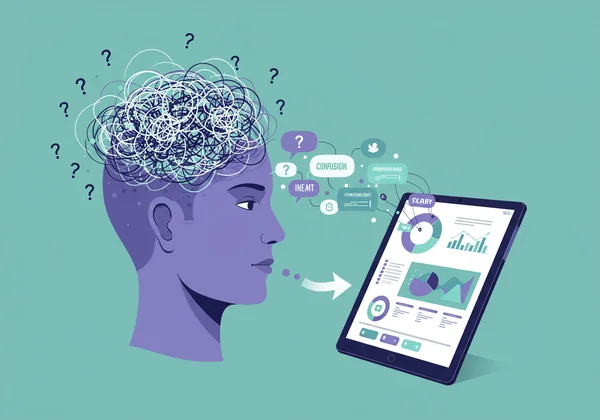
Many people ask, "Is there a test for bipolar disorder that can give me clear answers?" While no online tool can provide a diagnosis, technology can offer incredible clarity. The journey to understanding your mental health is deeply personal, and the information you receive should be just as personalized. Our confidential online bipolar test is designed to be that empowering first step, providing an accessible and insightful resource built on a foundation of science and technology. This guide will demystify how our AI report works and what it can do for you.
What is Your Personalized AI Bipolar Report?
At its core, the optional AI-driven report is a comprehensive analysis of your responses to our bipolar screening questionnaire. Think of the initial free screening as a snapshot—it captures a single moment and provides a score indicating the potential presence of symptoms. The AI report, however, is like a detailed documentary. It examines the nuances, connections, and underlying patterns within your answers to create a holistic picture of your emotional and behavioral landscape.
This technology represents the practical application of machine learning, providing insights that were once primarily available through extensive, one-on-one analysis. The goal is to move beyond a simple "yes" or "no" and into the "why" and "how" of your experiences. This technology serves as a bridge, translating your self-reported feelings into structured, understandable information that you can use to make informed decisions. The report provides a narrative tailored to you, helping you make sense of complex mood patterns in a way a single score never could.
Beyond the Basic Score: Deeper Bipolar Test Analysis
The free score from a bipolar screening questionnaire is an essential starting point. It's a valuable indicator that helps you gauge whether your experiences align with common symptoms of bipolar disorder. However, a score is just one data point. It cannot capture the complexity of your life, the intensity of your emotions, or the context in which your mood shifts occur. This is where the AI-powered bipolar test analysis comes in.
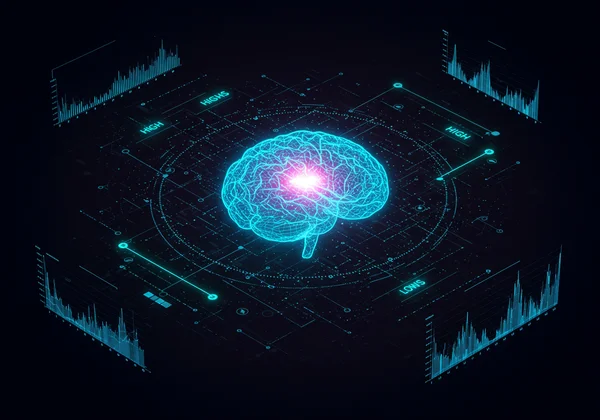
Instead of just tallying responses, our algorithm performs a multi-dimensional analysis. It looks for correlations between different answers. For example, it might identify a pattern where periods of high energy and impulsivity are consistently followed by significant dips in mood and motivation. It can also recognize subtle indicators that might be missed by a standard scoring system. This process provides a richer, more textured understanding, moving from a general assessment to a truly personalized profile that reflects your unique emotional fingerprint.
Science Meets AI: How Your Personalized Insights Are Generated
To build trust, it's important to understand how these personalized bipolar insights are created. Our system is built on two pillars: established psychological science and advanced artificial intelligence. The questions in our initial screening are inspired by clinically recognized tools like the Mood Disorder Questionnaire (MDQ), ensuring a scientifically grounded foundation. Your anonymous responses provide the raw data.
From there, our AI model takes over. This model has been trained on vast, anonymized datasets to recognize complex patterns associated with various mood states. It doesn't "diagnose"; it classifies patterns. By comparing your unique set of answers to these established patterns, the AI can generate an AI mental health report that highlights key themes, including:
- Symptom Constellations: Identifying which groups of symptoms tend to appear together for you.
- Behavioral Tendencies: Noting patterns in energy, sleep, and social activity.
- Emotional Dynamics: Analyzing the interplay between highs and lows.
This process is entirely confidential and designed to empower you with objective, data-driven insights. You can start the process by taking our free screening today.
Unlocking Actionable Personalized Bipolar Insights
Information is only useful when it leads to action. The primary goal of the AI report is to equip you with practical knowledge you can apply to your life immediately. It’s not just about understanding the past; it's about building a better future. The report is structured to be a guide, offering clarity on where you are now and providing a roadmap for where you could go next.
This is a significant departure from generic advice. Instead of reading a list of common coping mechanisms, you receive suggestions that are directly tied to the challenges identified in your responses. This level of personalization makes the guidance more relevant and, therefore, more effective. The report helps you see yourself more clearly, empowering you to take proactive steps toward greater emotional balance and well-being.
Identifying Your Unique Strengths and Challenges with Bipolar
One of the most powerful features of the AI report is its balanced perspective. It doesn't just focus on problems; it also helps you identify your unique strengths and challenges with bipolar symptom patterns. Perhaps your responses indicate high levels of creativity and productivity during periods of elevated mood—that's a strength you can learn to channel. The report might highlight this, suggesting ways to harness that energy productively and safely.
Conversely, the analysis will pinpoint specific challenges. It might identify that your depressive episodes are marked by intense social withdrawal or that your elevated moods often lead to financial impulsivity. By naming these specific challenges, the report demystifies them. They are no longer vague, overwhelming feelings but concrete issues you can begin to address. This clarity is the first step toward effective bipolar disorder management.
Customized Strategies for Mood Stability and Well-being
Based on the identified strengths and challenges, the AI report provides customized strategies for mood stability. This is not medical advice or a treatment plan. Instead, it offers evidence-based, actionable suggestions tailored to your profile. These are practical steps you can explore to better manage your daily life.
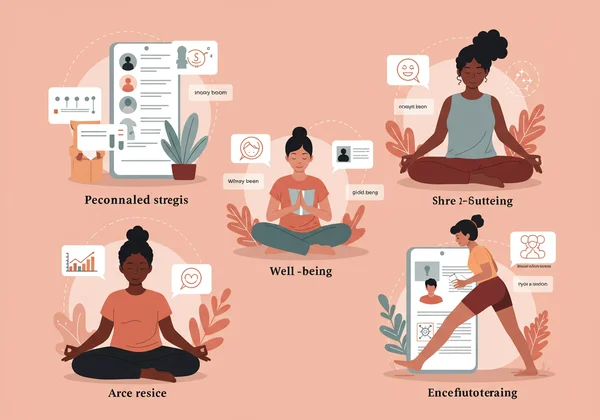
For example, if your report highlights difficulties with sleep patterns, it might suggest specific sleep hygiene techniques. If it points to challenges with emotional regulation, it could offer introductory mindfulness exercises or journaling prompts. These strategies serve as a toolkit you can use to build routines and coping mechanisms that support your well-being while you consider seeking professional guidance. You can discover your results and unlock these strategies.
Leveraging Your AI Report for Your Next Steps
Taking an online test is an important act of self-discovery, but it should never be the final step. The AI report is designed to be a bridge to professional care, not a substitute for it. Its purpose is to arm you with the information and confidence you need to take the next crucial step: talking to a healthcare professional.
Many people feel anxious about their first appointment with a therapist or psychiatrist. They worry they won't be able to explain their experiences clearly or that they won't be taken seriously. Your personalized report can significantly reduce this anxiety. It organizes your experiences into a structured format, providing you with the language and data to have a more productive and focused conversation.
How Your Report Supports Professional Bipolar Disorder Diagnosis
When you seek a professional bipolar disorder diagnosis test, a clinician will conduct a comprehensive evaluation. Your AI report can be an invaluable asset during this process. It provides a detailed, longitudinal summary of your self-reported symptoms, patterns, and experiences that you can share with your doctor.
This document can help a professional quickly understand your situation. It offers concrete examples and highlights patterns they can explore further. It shows that you have been proactive and thoughtful about your mental health. This can help streamline the diagnostic process and ensure that your conversation with a healthcare provider is as thorough and effective as possible. The report doesn't replace their expertise; it complements it by providing a rich, personalized history. Consider getting your personalized report to prepare.
Preparing for Your First Bipolar Assessment with AI Insights
Walking into your first assessment armed with your AI report can be empowering. Instead of trying to recall weeks or months of fluctuating moods on the spot, you have a document that does it for you. This is one of the most effective bipolar assessment tips: come prepared.

Your report can serve as your personal cheat sheet. You can use it to:
- Articulate your core concerns: Point to specific sections that resonate most with your experience.
- Provide clear examples: Use the report's findings to illustrate your mood shifts.
- Ask informed questions: Based on the report, you can ask a professional, "The report mentioned patterns of hypomania; could we explore that?"
By preparing for bipolar diagnosis with these AI insights, you transform from a passive patient into an active participant in your healthcare journey.
Your Empowered Next Steps in Understanding Bipolar
Understanding your emotional patterns is the first step toward gaining control over your mental health. While a simple score from a free bipolar disorder test can open the door, our AI-driven personalized report invites you to walk through it. It transforms confusion into clarity, uncertainty into action, and anxiety into empowerment. It provides the detailed, personalized insights you need to understand yourself better and to communicate your experiences effectively to others, including healthcare professionals.
Your mental wellness journey is unique. It's time you had a tool that recognizes and honors that individuality. Take our free bipolar test today to get your initial results, and then consider unlocking your personalized AI report to gain the profound clarity you deserve.
Frequently Asked Questions About Your Bipolar AI Report
Is the AI bipolar report a diagnostic tool?
No, absolutely not. It is crucial to understand that our AI report is a screening and informational tool, not a diagnostic one. It is designed to provide preliminary insights and identify potential patterns based on your answers. A formal diagnosis of bipolar disorder can only be made by a qualified healthcare professional after a comprehensive clinical evaluation. We strongly encourage you to share your report with a doctor or therapist to facilitate a professional assessment.
How does the personalized AI report differ from the free screening results?
The free screening provides you with a score that indicates whether your symptoms may warrant further investigation. It’s a quick, valuable check-in. The personalized AI report goes much deeper. It provides a multi-page analysis of your response patterns, identifies unique personal strengths and challenges, offers customized, actionable strategies for well-being, and serves as a structured guide to help you prepare for a conversation with a healthcare provider. Think of it as the difference between a headline and a full investigative article about you.
How can I use my AI report to prepare for a professional bipolar assessment?
The AI report is an excellent tool for preparation. Before your appointment, review the report and highlight the sections that feel most accurate to you. You can bring a printed or digital copy to your session. Use it as a reference to describe your mood patterns, energy shifts, and specific behaviors. This provides your clinician with organized, concrete information, making your first conversation more efficient and productive. It helps ensure you don’t forget important details and empowers you to advocate for your own health. For more information, please visit our website.