5 Key Signs of Bipolar Disorder: Free Self-Test Checklist
Are you on an emotional rollercoaster you can't seem to get off? One moment you might feel on top of the world with boundless energy, and the next you're in a deep, dark low. Navigating these shifts is confusing and isolating. It’s natural to ask yourself, "Are these just mood swings, or could it be something more?"
Stuck wondering if it's more than just ups and downs? This checklist breaks down the 5 key signs plainly. Our goal is to help you recognize patterns in your experiences and decide if a confidential self-screening test could be your next valuable step toward understanding your mental health.
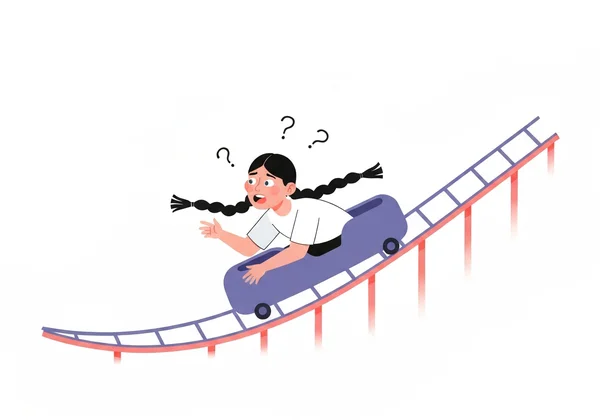
Understanding Bipolar Disorder: Beyond "Just Mood Swings"
Before we dive into the checklist, it's important to grasp why recognizing these signs is so crucial. Many people experience mood changes, but this condition involves more extreme and disruptive shifts in mood, energy, and the ability to function.
What Is This Condition? A Quick Overview
This is a mental health condition characterized by significant shifts in mood, known as mood episodes. These fall into two main types: manic or hypomanic "highs," and depressive "lows." They're not quick moods. They last days or weeks. And they feel very different from your normal self.
The condition is a spectrum, with common types like Bipolar I, Bipolar II, and Cyclothymic Disorder, each defined by the severity of these mood episodes. It is a manageable condition, and understanding it is the first step toward finding balance.
Why Recognizing Key Signs Matters for Early Awareness
Recognizing the key signs is an act of empowerment. When you can name what you're experiencing, it loses some of its power over you. Early awareness allows you to seek information and support sooner, which can lead to better outcomes and an improved quality of life.
Identifying potential symptoms isn't about labeling yourself. Instead, it's about gathering the information you need to have a more productive conversation with a healthcare professional. It helps you move from confusion to clarity, and from worry to action.
Your 5 Key Bipolar Signs: A Self-Screening Checklist
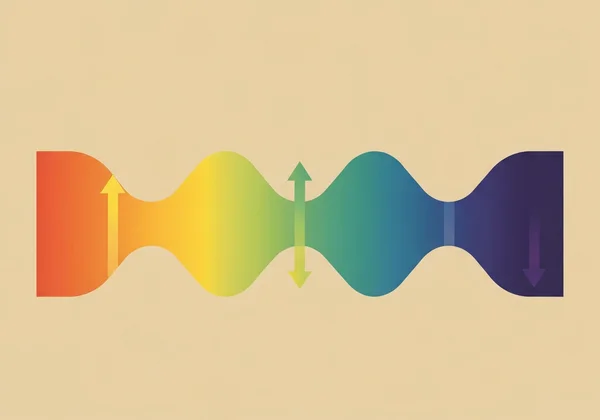
Use the following sections as a personal checklist. As you read, think about whether these experiences feel familiar to you or someone you care about. Have they occurred in distinct periods and represented a change from your usual self?
Sign 1: Elevated Moods & Increased Energy (Mania/Hypomania)
The "highs" in these mood shifts go beyond typical happiness—they're intense phases of elevated or irritable mood and abnormally increased energy. This state is known as mania or, in its less severe form, hypomania.
Consider if you have experienced periods where you:
- Felt unusually "high," euphoric, or powerful for several days.
- Were extremely irritable, agitated, or easily angered.
- Needed significantly less sleep but still felt full of energy.
- Talked much faster than usual, with thoughts racing uncontrollably.
- Were easily distracted, jumping from one idea to the next.
- Engaged in risky behaviors like spending sprees, impulsive decisions, or reckless driving.
Sign 2: Periods of Deep Depression and Hopelessness
The other side of these mood shifts involves depressive episodes. These are not just days of feeling sad; they are periods of persistent low mood and loss of interest that can be debilitating.
Consider if you have experienced periods where you:
- Felt an overwhelming sense of sadness, emptiness, or hopelessness.
- Lost interest or pleasure in activities you once enjoyed.
- Experienced significant changes in your appetite or weight.
- Slept far too much or suffered from insomnia.
- Felt constantly fatigued, with no energy to complete even simple tasks.
- Struggled with feelings of worthlessness or excessive guilt.
- Had difficulty concentrating, remembering, or making decisions.
Sign 3: Rapid Shifts or Mixed Episodes
Sometimes, the lines between mania and depression can blur. You might experience a "mixed episode," where symptoms of both occur at the same time or in rapid sequence. This can be one of the most confusing and distressing aspects of the condition.
Picture this: racing thoughts and agitation mix with deep sadness and hopelessness. It's manic energy crashing into depressive lows, creating a state of uncomfortable and anxious energy.
Sign 4: Significant Changes in Sleep Patterns
Sleep is a powerful indicator of mood stability. For individuals experiencing these mood cycles, changes in sleep are often a core symptom and can even trigger a mood episode. This goes beyond a few restless nights.
During a manic or hypomanic phase, you might feel rested and energetic after only three hours of sleep. Conversely, during a depressive phase, you might sleep for 12 hours and still feel exhausted, or you might struggle with persistent insomnia despite feeling bone-tired.
Sign 5: Impact on Daily Functioning & Relationships
This is perhaps the most critical sign. These mood episodes are severe enough to cause significant problems in your life. They aren't just internal feelings; they have real-world consequences.
Ask yourself if these mood shifts have negatively impacted your:
- Work or School: Have you struggled to meet deadlines, had conflicts with colleagues, or experienced a notable drop in performance?
- Relationships: Have your mood swings caused tension, arguments, or instability with family, friends, or partners?
- Finances: Has impulsive behavior during high-energy periods led to financial trouble?
- Overall Judgment: Do you look back on things you did during a mood episode and feel they were out of character?
When to Consider a Bipolar Symptoms Self-Test
After reviewing this checklist, you may have more questions than answers, and that's completely normal. This guide is for self-reflection, not a diagnostic tool.
Interpreting Your Self-Checklist Results: What Do They Mean?
See a pattern in 3+ signs? Your mood swings might signal something bigger than everyday ups and downs. Seeing your experiences laid out like this can be the first concrete piece of evidence that what you're going through is real and significant.
The next step is to organize these observations in a more structured way. This is where a screening tool can be incredibly helpful. It can translate your feelings and experiences into a clearer picture you can use for your own understanding or to share with a doctor.
The Role of an Online Screening Tool
An online screening tool is designed to help you take that next step. It's a confidential, accessible way to explore your symptoms further. Based on established psychiatric questionnaires like the Mood Disorder Questionnaire (MDQ), these tests provide a preliminary assessment of your potential risk.
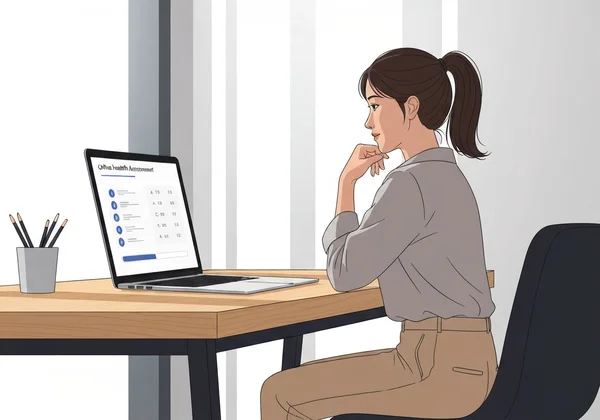
It is crucial to remember that a screening tool is not a diagnosis. Only a qualified healthcare professional, like a psychiatrist or psychologist, can provide an accurate diagnosis. However, an online bipolar disorder screening tool serves as a vital bridge, giving you a structured summary of your experiences to help you start a meaningful conversation about your mental health.
Your Next Steps: From Checklist to Clarity
Navigating these intense mood swings is overwhelming, but you don't have to do it alone. Spotting the signs—elevated moods, deep depression, mixed states, sleep changes, and life impact—is a huge first step. It’s your cue to dig deeper with a quick screen and a chat with a pro.
If this checklist resonates with your experiences, your next move is to gather more specific insight. Using a free and confidential screening test can help you organize your thoughts and see if your symptoms align with this condition. This information can be an invaluable starting point for a future discussion with a healthcare provider.
Take the next step toward understanding your mood patterns. Start your test today and gain the clarity you deserve.
Common Questions About Bipolar Symptoms and Screening
What are the 5 main signs of bipolar disorder?
The five main signs that can indicate this condition are periods of elevated mood and energy (mania/hypomania), episodes of deep depression, rapid shifts or mixed episodes, significant changes in sleep patterns, and a noticeable negative impact on daily functioning and relationships.
Is there a specific online test for bipolar disorder I can take?
Yes, there are online screening tools available that can help you assess your symptoms. These tests are designed as a preliminary step to help you understand your experiences. They are based on clinical questionnaires but are not a substitute for a professional diagnosis. You can take a free test to get confidential, initial insights.
How do I know if I should get tested for bipolar disorder?
If you recognize the signs discussed in this article and they are causing you distress or disrupting your work, school, or relationships, considering a screening test is a proactive step. It's a way to gather information and decide if you should speak with a mental health professional for a full evaluation.
Can symptoms of bipolar disorder be mistaken for other conditions?
Yes, this is very common. This condition is often misdiagnosed as major depression, especially if a person only seeks help during their depressive episodes. Its symptoms can also overlap with other conditions like ADHD, anxiety disorders, and borderline personality disorder. This is why a comprehensive evaluation from a qualified professional is essential for an accurate diagnosis.