Bipolar With Mixed Features: Symptoms, DSM-5 Meaning, and Next Steps
If your mood feels "up" and painfully low at the same time, the phrase bipolar with mixed features may feel close to what you are trying to understand. You might feel wired but hopeless, exhausted but unable to slow down, or unusually driven while your thoughts are dark. That combination can be confusing because many people expect bipolar mood episodes to look only like clear highs or clear lows. A private mood-pattern screening can help you organize what you have noticed, but it cannot replace a full mental health evaluation. This guide explains the term, common symptom patterns, and safer next steps.

What Bipolar With Mixed Features Means
Bipolar with mixed features means that a mood episode has symptoms from both mood poles. In DSM-5-TR language, "with mixed features" is a specifier, not a separate bipolar type. It can be applied when a manic, hypomanic, or depressive episode also includes several symptoms from the opposite pole.
Older sources often used the phrase mixed episode. Modern clinical language usually uses mixed features because many people do not meet every criterion for both mania and major depression at the same time, yet still have a clinically important blend of symptoms. In plain English, the main idea is this: the episode has a primary direction, but another mood state is showing through strongly enough to matter.
For example, a person in a manic or hypomanic episode may also have depressed mood, loss of interest, slowed thinking, fatigue, guilt, or thoughts of death. A person in a depressive episode may also have elevated mood, inflated confidence, decreased need for sleep, rapid thoughts, increased energy, or more goal-directed activity. A clinician looks at timing, severity, history, substances, sleep, medical causes, and safety before deciding what the pattern means.
Mixed Bipolar Episode Symptoms People Often Notice
Mixed features can look different from person to person, and the most noticeable feeling is often internal tension. Instead of a simple shift from "high" to "low," the person may feel activated and distressed at the same time.
When a high-energy episode has depressive features
During mania or hypomania with mixed features, the high-energy side may include less need for sleep, fast thoughts, increased talking, impulsive plans, irritability, or unusually intense confidence. The depressive side may add sadness, emptiness, guilt, low pleasure, exhaustion, or thoughts that life is not worth living.
This combination can be especially uncomfortable because energy and despair may appear together. Someone may pace, message people rapidly, spend money, argue, or make sudden plans while also feeling hopeless or ashamed. If suicidal thoughts, violent urges, hallucinations, delusional beliefs, days with almost no sleep, or behavior that could cause serious harm appears, urgent professional or crisis support matters.
When bipolar depression has mixed features
Bipolar depression with mixed features can be missed because depression is still the most visible mood state. A person may feel sad, flat, slowed down, or unable to enjoy normal activities, yet also feel mentally sped up, agitated, unusually restless, more talkative, more impulsive, or unable to sleep despite fatigue.
This is one reason a depression-only label may not capture the whole picture for some people. The timeline matters: whether there have been past periods of elevated or irritable mood, reduced sleep without tiredness, unusually risky behavior, or changes that other people noticed. A careful history is often more useful than judging one day in isolation.

Bipolar 1 With Mixed Features vs Bipolar 2 With Mixed Features
Bipolar I and bipolar II can both involve mixed features, but they are built around different episode histories.
Bipolar I involves at least one manic episode. Mania is more severe than hypomania and may involve major impairment, hospitalization, or psychotic symptoms. Bipolar I with mixed features may mean a manic episode with depressive symptoms, or a depressive episode with manic symptoms, depending on the current episode.
Bipolar II involves major depressive episodes and hypomanic episodes, without a history of full mania. Bipolar II with mixed features often comes up when depression includes hypomanic symptoms, or when hypomania includes depressive symptoms. Hypomania is not simply "mild mania"; it has its own definition and can still disrupt relationships, work, sleep, and judgment.
The practical takeaway is not to self-sort into bipolar I or II from a checklist. Instead, write down the clearest examples of elevated energy, reduced sleep, impulsive behavior, depressive symptoms, and functional changes. Bringing those notes to a mental health professional is more useful than trying to force the experience into a label too early.
MDD With Mixed Features vs Bipolar: Why the Distinction Is Hard
Major depressive disorder with mixed features and bipolar disorder with mixed features can overlap in the way symptoms feel. The difference usually depends on whether the person has ever had a clear manic or hypomanic episode outside of depression. That history can be subtle, especially when the elevated periods felt productive, spiritual, irritable, or simply "not depressed."
Clinicians often ask about patterns across months or years: sleep changes, periods of unusual confidence, racing thoughts, impulsive spending or sexual risk, substance use, family history, antidepressant reactions, and whether others noticed a clear shift in behavior. This is why a bipolar disorder self-reflection tool can be helpful for organizing observations, while a professional assessment is still needed for a formal diagnosis.
Mixed features also matter because treatment decisions may differ. Some people with bipolar-spectrum patterns can become more unstable when treated as depression alone. That does not mean a reader should stop, start, or change medication independently. It means the safest next step is to describe the mixed pattern clearly to the prescriber or therapist managing care.
DSM-5, ICD-10 Codes, and Psychotic Features
Searches for bipolar with mixed features DSM 5, ICD-10 codes, or "dsm 5 code for bipolar disorder with mixed features" usually come from people trying to understand paperwork. It helps to know that DSM-5-TR uses specifiers to describe the current or most recent episode, while ICD coding depends on the documented bipolar type, current episode, severity, remission status, and whether psychotic features are present.
That means there is not one universal code that safely fits every person who has mixed symptoms. A record might need to distinguish bipolar I from bipolar II, a manic episode from a depressive episode, mild from severe symptoms, and the presence or absence of psychotic features. Coding is a clinical and administrative task, not a self-labeling shortcut.
Bipolar mixed with psychotic features refers to mood symptoms plus psychosis, such as hallucinations, delusional beliefs, or a break from shared reality during a severe mood episode. Psychotic symptoms deserve prompt professional attention. If someone may be at risk of harming themselves or someone else, or is unable to stay safe, emergency services or a crisis line should be contacted right away. In the United States, calling or texting 988 connects to the Suicide & Crisis Lifeline.
Bipolar Mixed Episode Treatment Questions to Bring to a Clinician
People often search for the best medication for mixed episode bipolar symptoms, but there is no single best medication that fits everyone. Treatment choices depend on the episode type, severity, past medication response, side effects, medical history, substance use, pregnancy considerations, sleep, suicide risk, psychotic symptoms, and personal goals.
A clinician may discuss mood stabilizers, certain antipsychotic medicines, psychotherapy, sleep protection, safety planning, substance-use support, or higher levels of care when symptoms are severe. The right plan is individualized. For mixed features, it is especially important not to change medications without guidance, because sudden changes can worsen mood instability for some people.
Useful questions to bring to an appointment include:
- Which symptoms suggest depression, and which suggest mania or hypomania?
- Could my current pattern be a mood episode with mixed features?
- Are any medications, substances, sleep loss, or medical conditions worsening this pattern?
- What warning signs should lead me to urgent support?
- How should my family or trusted person respond if my mood escalates?
These questions keep the conversation specific without asking the article or an online tool to make decisions that require a clinician.

A Practical Way to Track Mixed Features Before Your Appointment
Tracking does not need to be complicated. The goal is to capture patterns clearly enough that a professional can see what is happening over time.
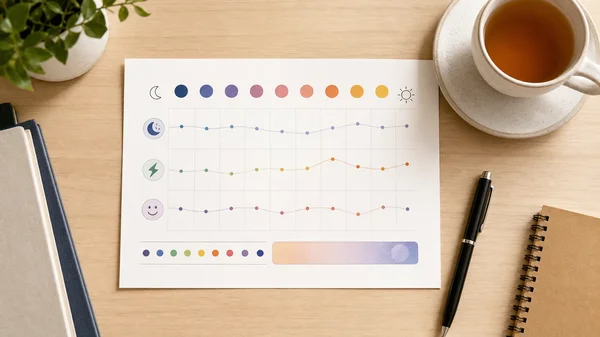
For one to two weeks, consider noting sleep, energy, mood, irritability, racing thoughts, activity level, impulsive urges, substance use, medication changes, conflict, risky decisions, and any thoughts of self-harm. Add brief examples rather than long essays. "Slept three hours, not tired, sent 30 messages, felt hopeless at night" is more useful than "bad day."
If you are supporting someone else, describe observable changes rather than arguing about labels. You might note that the person is sleeping less, talking faster, making unusual plans, crying more, or seeming suspicious. Calm observations are often easier to hear than statements about what condition the person may have.
Bring the notes to a licensed mental health professional, primary care clinician, or psychiatrist. If symptoms are intense, include a trusted person when possible. Mixed features can change quickly, so a safety plan, clear appointment follow-up, and crisis contacts are practical parts of care.

Using Screening Carefully When Bipolar With Mixed Features Is on Your Mind
An online screener can be a first step, especially when you feel unsure how to describe your mood history. It can help you notice whether symptoms cluster around mania, hypomania, depression, or mixed patterns. Still, a screener is only an educational aid. It does not review your full history, medical conditions, medication effects, trauma history, substance use, or safety risk.
If bipolar with mixed features seems relevant to your experience, use a free bipolar screening resource to prepare for a more informed conversation, not to replace one. The most useful next step is usually to bring specific examples, timing, sleep changes, and safety concerns to a professional who can evaluate the full picture.
FAQ
What are mixed features in bipolar disorder?
Mixed features mean a mood episode has symptoms from both mood poles. A manic or hypomanic episode may include depressive symptoms, or a depressive episode may include manic or hypomanic symptoms. The term describes the episode pattern, not a separate personality trait or a new standalone disorder.
Is bipolar with mixed features the same as a mixed episode?
Many people use the phrases interchangeably, but current clinical language usually favors "with mixed features." Older descriptions of mixed episode often required a narrower combination of full manic and depressive criteria. Mixed features is a more flexible specifier used to describe meaningful opposite-pole symptoms within a mood episode.
Can bipolar 2 have mixed features?
Yes. Bipolar II can involve depression with mixed features or hypomania with depressive features. Because bipolar II does not include full mania, a history of psychosis, hospitalization for elevated mood, or severe impairment should be discussed carefully with a clinician.
What is mania with mixed features?
Mania with mixed features means manic symptoms are present along with several depressive symptoms. A person may have high energy, little sleep, racing thoughts, or risky behavior while also feeling hopeless, guilty, exhausted, or preoccupied with death. That combination can raise safety concerns and should be taken seriously.
What does bipolar disorder mixed episode with psychotic features mean?
It generally refers to a severe mood episode with both mood-pole symptoms and psychotic symptoms, such as hallucinations or delusional beliefs. This requires prompt professional support. If safety is uncertain, use emergency services or a crisis line rather than waiting for a routine appointment.
Is there a bipolar mixed episode test?
There are screening tools that can help organize mood symptoms, but no online quiz can identify mixed features with full clinical context. A useful screening result can still help you talk about sleep, energy, mood shifts, impulsivity, and depressive symptoms with a mental health professional.
Do people with bipolar overshare?
Some people may talk more, speak faster, message more often, or share impulsively during mania, hypomania, or mixed states. Oversharing by itself is not enough to identify bipolar disorder. Timing, sleep, energy, judgment, distress, and functional change all matter.
What is the rarest bipolar disorder?
There is no single answer that applies in every classification system. Bipolar I and bipolar II are the best-known categories, while cyclothymic disorder and other specified bipolar-related patterns are discussed less often. Rarity is less important than whether symptoms are causing distress, risk, or impairment.
Is bipolar I always a permanent disability?
No. Bipolar I can be serious and may be disabling for some people at certain times, but many people function well with appropriate care and support. Disability status depends on symptom severity, duration, work impact, treatment response, documentation, and local rules.