Guide to Bipolar Disorder Treatments: Options and Care
Living with confusing mood swings can feel overwhelming. However, understanding your options is the first vital step toward stability. Bipolar disorder is a lifelong condition, but it is highly manageable with the right interventions. This comprehensive guide explores the core pillars of bipolar disorder treatments. We will break down how medications stabilize moods, why psychotherapy builds essential coping skills, and what lifestyle changes support wellness. If you are feeling unsure about your experiences, you can try our bipolar disorder test to reflect on your emotional patterns. By the end, you will have a clear roadmap to organize your thoughts for a productive conversation with a healthcare professional. Let’s explore your options together.
Why a Comprehensive Treatment Approach Matters
The treatment of bipolar disorder is rarely a single, simple fix. Instead, bipolar disorder management requires a comprehensive, multi-layered approach. Because this condition affects your brain chemistry, your thoughts, and your behaviors, the most effective treatment for bipolar disorder addresses all three areas simultaneously.
The primary goals of bipolar disorder treatments are to reduce the severity of acute mood episodes, prevent future relapses, and improve your overall quality of life. Relying on just one method often leaves gaps in your care. For example, medication might stabilize your brain chemistry, but it does not teach you how to rebuild strained relationships or manage daily stress. A well-rounded plan integrates medical care, professional counseling, and healthy habits. This holistic strategy empowers you to take control of your well-being.
Medications: Stabilizing Moods Safely
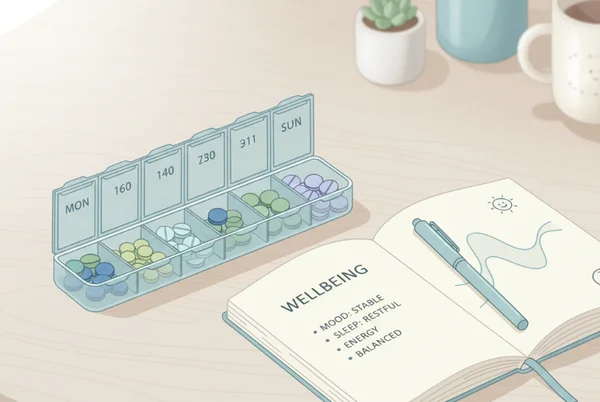
Medication is the cornerstone of most bipolar disorder treatments. Because everyone's body chemistry is unique, finding the right medication often takes time and patience. Always work closely with a psychiatrist to manage your prescriptions safely, as they are the only ones qualified to make medical adjustments.
The Role of Mood Stabilizers
Mood stabilizers are the most common foundation of a bipolar treatment plan. They help control the extreme highs and lows associated with the condition. Ultimately, these medications aim to keep your mood within a healthy, manageable range over the long term.
How Antipsychotic Medications Help
Sometimes, mood stabilizers are not enough on their own. In these cases, doctors often prescribe antipsychotic medications. These drugs can help manage acute manic episodes very quickly. Furthermore, they are sometimes used long-term to prevent future mood swings.
Using Antidepressants with Caution
Antidepressants are used carefully in bipolar disorder treatments. If taken without a mood stabilizer, an antidepressant can sometimes trigger a manic episode. Therefore, they are typically prescribed alongside other stabilizing medications to ensure your safety.
Psychotherapy: Building Daily Coping Strategies
While medications manage brain chemistry, psychotherapy helps you manage your daily life. Also known as talk therapy, this is a crucial component of bipolar therapy options. It provides you with a safe space to process your emotions and learn new skills.
Cognitive Behavioral Therapy (CBT) Benefits
Cognitive Behavioral Therapy focuses on identifying negative or unhelpful thought patterns. CBT teaches you how to replace these thoughts with healthier coping strategies. Consequently, this helps you better manage anxiety and recognize the early warning signs of a mood shift.
Interpersonal and Social Rhythm Therapy (IPSRT)
IPSRT focuses heavily on stabilizing your daily routines. It emphasizes consistent sleep, wake, and meal times. Because disrupted routines can easily trigger mood episodes, learning to maintain a steady schedule is incredibly protective.
Family-Focused Therapy Support
Bipolar disorder affects not just you, but also those you love. Family-focused therapy involves your support network in your bipolar disorder treatments. It improves communication, helps your family recognize warning signs, and creates a more supportive home environment.
Taking the First Step: A Guided Self-Reflection
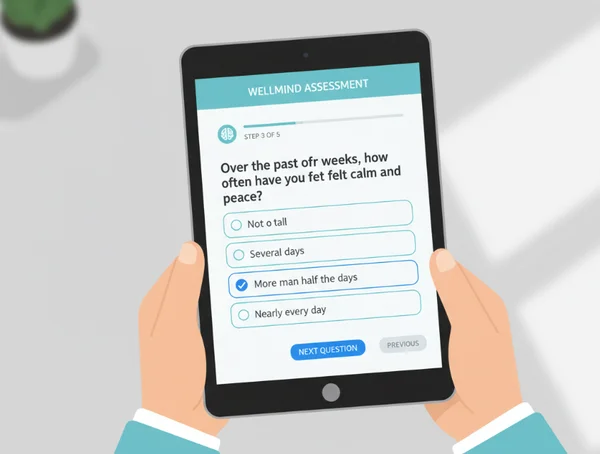
Before you schedule an appointment to discuss bipolar disorder treatments, it helps to understand your own experiences. Medical terminology can be confusing. Taking time to map out your own symptoms makes seeking professional help much less intimidating.
Why Self-Reflection is the Next Step
Writing down your mood trends helps you communicate more effectively with a doctor. Instead of trying to remember how you felt weeks ago, you will have a clear record. This process clarifies your thoughts and reduces the anxiety of a clinical visit.
Introducing Our Educational Screener
If you are wondering where to begin, exploring a structured self-assessment can be incredibly useful. You can explore our comprehensive bipolar disorder test online to gain insights into your mood patterns. This educational tool is not a diagnosis. However, it provides a confidential report to help you review your habits safely.
Can Bipolar Disorder Be Managed Without Medication?
A very common question is whether there are bipolar disorder treatments without medication. For the vast majority of people, medication is a necessary, non-negotiable part of treatment. Bipolar disorder is rooted in biology, and medications correct those biological imbalances.
While you cannot safely treat the condition with just lifestyle changes alone, non-medical interventions are still vital. Psychotherapy, routine, and diet are powerful tools that support your medical plan. Attempting to manage severe mood swings without medical support carries significant risks. Always consult a medical professional before adjusting your treatment.
5 Lifestyle Changes to Support Your Treatment Plan

A great bipolar disorder treatment plan example always includes active self-care. Your daily habits have a profound impact on your emotional stability. Here are five practical steps you can take today.
1. Maintain a Strict Sleep Schedule
Sleep disruption is the number one trigger for manic episodes. Go to bed and wake up at the exact same time every day, even on weekends. Protect your sleep environment carefully to ensure high-quality rest.
2. Implement Stress Management Techniques
Chronic stress easily triggers mood shifts. Incorporate relaxation practices into your routine. For example, yoga, deep breathing exercises, and simple mindfulness can significantly lower your daily tension.
3. Keep a Daily Mood Diary
Tracking your moods, sleep hours, and energy levels helps you spot patterns over time. This data is invaluable for you and your healthcare provider when adjusting your bipolar disorder treatments.
4. Moderate Alcohol and Substance Use
Alcohol and drugs interfere directly with bipolar medications. Additionally, they destabilize your mood independently. Reducing or eliminating these substances is a critical step for your long-term health.
5. Eat a Balanced Diet
A stable body supports a stable mind. Focus on a balanced diet rich in whole foods. Minimize your intake of refined sugars and excessive caffeine, as both can cause artificial energy spikes and crashes.
Preparation Checklist for Your Next Doctor's Visit
Taking charge of your bipolar disorder treatments means being proactive. Your doctor is your partner in this journey, and coming prepared ensures you get the best possible care. Use this simple checklist before your next medical appointment to stay organized.
- Write down all of your current medications and dosages.
- Bring your mood diary or sleep logs from the past two weeks.
- Note any specific side effects you are currently experiencing.
- Write down three questions you want to ask your doctor.
- Print the summary report if you decided to check your traits with this bipolar disorder test.
Taking these small steps empowers you. Remember, seeking professional help is a sign of strength, and finding the right treatment path is entirely possible.
Frequently Asked Questions
What happens if bipolar disorder is untreated?
Left untreated, mood episodes tend to become more frequent and severe over time. This can significantly disrupt your career, strain relationships, and decrease your overall quality of life. Professional medical support is always necessary to maintain long-term stability and health.
Can bipolar disorder be cured permanently?
Currently, there is no permanent cure for bipolar disorder because it is a chronic condition requiring lifelong management. However, with consistent bipolar disorder treatments and lifestyle adjustments, you can often live a healthy, highly productive, and stable life.
What is the most effective treatment for bipolar disorder?
The most effective approach is typically a combination of mood-stabilizing medications and behavioral psychotherapy. Because everyone is unique, the best specific medical plan depends entirely on your personal symptoms, your medical history, and how you personally respond.
What are the signs that a treatment plan may need adjusting?
If you notice your sleep patterns changing drastically, experience persistent sadness, or feel unusually energized, your plan might need tweaking. Always report side effects or returning symptoms to your doctor immediately to discuss potential medication or therapy adjustments.
How do mental health professionals customize a treatment plan?
Doctors tailor treatments by evaluating your specific symptom history, family background, and how you have responded to past medications. They will adjust dosages and therapy types continuously to match what your body specifically needs for stabilization and comfort.