Understanding Bipolar Disorder Symptoms in Females: A Comprehensive Guide
When navigating mental health, you might wonder why bipolar disorder symptoms in females often look a bit different. Perhaps you've experienced intense emotional highs followed by deep, exhausting lows, leaving you confused about what's really happening. This article helps you uncover the unique presentation of these mood swings, exploring how hormonal shifts and subtle signs can differentiate your experience from others. We will walk you through the key signs, common misdiagnoses, and actionable steps you can take today. If you're seeking clarity, you might explore our bipolar disorder test online to gain better insight into your patterns.
Why Bipolar Disorder Symptoms Look Different in Females
Bipolar disorder doesn't present the exact same way for everyone. In fact, research indicates that the signs and progression of this condition can be notably distinct in women compared to men. Understanding these differences is the first step toward finding the right support.
The Prevalence of Bipolar 2 in Women
While both men and women experience mood disorders, bipolar 2 disorder symptoms in females are diagnosed more frequently. This subtype involves hypomania—a milder form of elevated mood—paired with severe depressive episodes. Because hypomania doesn't usually cause major life disruptions, it often goes unnoticed.
High Rates of Misdiagnosis as Depression
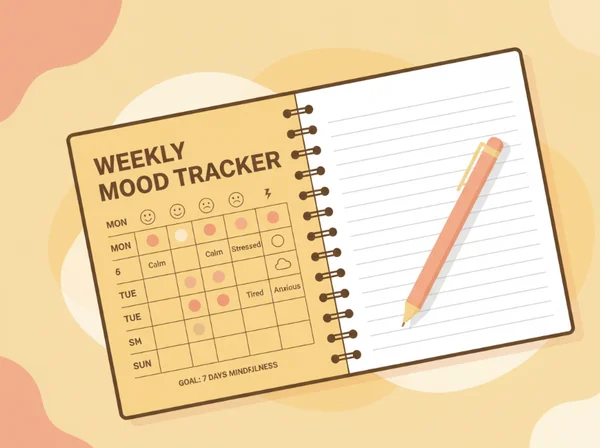
You might be surprised to learn that females are often initially misdiagnosed with unipolar depression. Since women tend to seek help during their depressive lows rather than their hypomanic highs, doctors may only see half the picture. This delay in accurate identification highlights why tracking your complete mood history is so important.
Key Signs of Bipolar Disorder in Women
Knowing what to look for can empower you to communicate more effectively with healthcare providers. Here is a breakdown of how the different mood states commonly appear.
Recognizing Depressive Episodes
For many females, depressive phases are the most dominant and persistent aspect of the disorder. Look out for:
-
Profound sadness or an unshakeable feeling of emptiness.
-
Sleeping significantly more than usual (hypersomnia).
-
Sudden weight gain or increased appetite.
-
Complete loss of interest in previously enjoyed activities.
Symptoms of Hypomania and Mania
During an elevated mood, the signs of bipolar in a woman might not always look like extreme euphoria. Instead, you might notice:
- An unusual increase in irritability or feeling "on edge."
- Talking much faster than normal or having racing thoughts.
- Starting multiple ambitious projects but struggling to finish them.
- Needing far less sleep while still feeling completely energized.
Mixed Episodes and Rapid Cycling
It's also essential to note that women are more prone to rapid cycling (experiencing four or more mood episodes within a year) and mixed episodes. A mixed episode means you might feel the high energy and racing thoughts of hypomania alongside the deep despair of depression simultaneously—a particularly overwhelming experience.
How Hormonal Changes Affect Bipolar Symptoms
Your body's natural rhythms play a massive role in your mental health. The interaction between female hormones and mood disorders is a unique factor that requires careful attention.
The Impact of the Menstrual Cycle
Many women report that their mood swings intensify during the premenstrual phase. This hormonal shift can trigger or worsen depressive symptoms, making it crucial to track whether your lowest points align with your cycle.
Pregnancy and Postpartum Triggers
The intense hormonal and physical changes during and after pregnancy can also act as significant triggers. The postpartum period, in particular, is a vulnerable time where the risk of experiencing severe mood episodes increases.
Menopause and Mood Fluctuations
As you approach menopause, the fluctuation of estrogen levels can destabilize your mood further. If you've been managing your mental health well, this transition period might require you to adjust your coping strategies.
Recognizing Symptoms in Teenage Females
Identifying mood disorders early can drastically improve long-term well-being carefully.
Early Warning Signs
For teenage females, the initial signs often mimic typical adolescent angst but are much more severe. Watch for extreme irritability, sudden academic drops, or highly risky behavior that seems out of character.
Overlapping Conditions in Young Adults
It's common for these early symptoms to overlap with anxiety or ADHD. If you or someone you know is struggling, paying attention to these nuanced differences is vital for getting the right help.
Next Steps: Clarifying Your Experience
If these descriptions resonate with you, it's completely normal to feel a mix of validation and concern. Exploring your thoughts systematically can help you figure out what to do next.
Why Self-Reflection is the First Step
Before you schedule an appointment, taking time to organize your thoughts can make your medical visit much more productive. Jotting down your patterns helps you articulate your experiences without feeling overwhelmed in the doctor's office.
Exploring Our Bipolar Disorder Screening Tool
If you want a structured way to review your mood history, consider taking a bipolar disorder test. This free, confidential online questionnaire is inspired by the Mood Disorder Questionnaire (MDQ) and can help you gather preliminary insights. Please remember, this tool is designed for educational purposes and self-reflection, not as a medical diagnosis.
Organizing Your Thoughts for a Doctor
Once you've reflected on your symptoms, you can use those insights as a starting point. Bring your notes to a mental health professional who can provide a comprehensive evaluation and help you chart a path forward.
Conclusion: Taking Control of Your Mental Health
Understanding how bipolar disorder symptoms in females present differently from men empowers you to advocate for your own health. Whether you resonate more with depressive lows, mixed episodes, or hormonal triggers, recognizing your pattern is a huge victory. Remember to be gentle with yourself, utilize educational resources like a bipolar test to clarify your thoughts, and always consider reaching out to a professional for guidance.

Frequently Asked Questions
What are the first signs of bipolar in a woman?
The initial signs usually involve severe depressive episodes. You might experience extended periods of deep sadness, extreme fatigue, and a loss of interest in daily life before ever experiencing an elevated or hypomanic mood.
How can a female differentiate between normal mood swings and clinical symptoms?
Normal mood swings are typically shorter, tied to a specific event, and don't severely disrupt your life. Clinical symptoms last longer, often feel disproportionately intense, and significantly interfere with your work, relationships, or sleep.
At what age do bipolar symptoms usually start in females?
While symptoms can appear at any age, they most commonly emerge in the late teens or early to mid-twenties. However, for many women, a formal diagnosis might not happen until their late twenties or thirties due to early misdiagnosis.
Can hormones affect bipolar disorder symptoms in females?
Yes, significant hormonal transitions—such as puberty, the premenstrual phase, pregnancy, postpartum, and menopause—can trigger mood episodes, intensity symptoms, or cause more rapid cycling.
How can tracking daily moods help in identifying bipolar patterns?
Keeping a daily log of your sleep, energy levels, and emotions helps you spot cycles that aren't obvious memory alone. This data provides concrete information that you can share with a healthcare provider for a more accurate assessment.