What Happens If Bipolar Disorder Is Left Untreated? Key Risks & Dangers
Living with intense, unpredictable mood shifts can feel like being lost in a storm without a compass. If you're experiencing soaring highs followed by crushing lows, you might wonder if it's just a part of who you are or a sign of something more. The question, "what happens if bipolar disorder is left untreated?", is a critical one, because ignoring the signs carries significant and escalating risks.
Understanding these dangers is not about causing fear—it's about empowerment. Recognizing the potential impact of untreated bipolar disorder is the first, most crucial step toward regaining control, finding stability, and protecting your future. This journey begins with a single action: seeking clarity.
Key Takeaways
-
Worsening Symptoms: Without treatment, manic and depressive episodes tend to become more frequent, last longer, and grow more severe over time.
-
Co-occurring Conditions: The risk of developing secondary conditions like debilitating anxiety disorders and substance use disorders is significantly higher.
-
Life Disruption: Untreated bipolar disorder can systematically damage personal relationships, derail careers, and lead to severe financial instability.
-
Physical Health Decline: The chronic stress on the body increases the risk of serious medical issues, including heart disease, diabetes, and migraines.
-
Early Screening is Key: Taking a confidential online bipolar disorder test is a powerful and proactive first step toward getting the help you need.
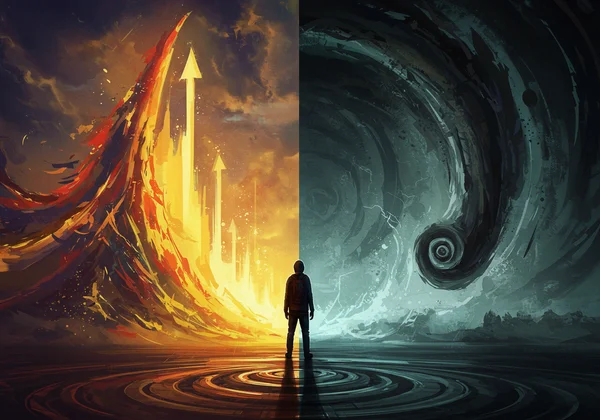
The Unseen Progression of Untreated Bipolar Disorder
When we talk about bipolar disorder being "untreated," it means a person is not receiving any form of professional management for their symptoms. This includes therapy, medication, or lifestyle strategies guided by a qualified healthcare provider. Without this support, the condition's natural course unfolds without intervention, often leading to a more challenging and unpredictable path.
Increased Episode Frequency and Severity
One of the primary concerns with untreated bipolar disorder is that mood episodes—mania, hypomania, and depression—become more severe and frequent. This phenomenon, known as episode sensitization or "kindling," means that with each mood swing, the brain becomes more susceptible to the next one. Triggers that once had little effect can set off a full-blown episode. The highs can become more reckless, and the lows more profound, making it increasingly difficult to maintain a stable life.
Cognitive and Functional Decline
The effects of untreated bipolar disorder extend far beyond mood. This condition has a systemic impact on cognitive functions and behavior. During manic episodes, impulsivity and poor judgment can lead to decisions with lasting negative consequences. During depressive episodes, cognitive "fog," memory problems, and an inability to concentrate can make even simple tasks feel impossible. This cycle disrupts sleep, impairs clear thinking, and slowly erodes your ability to function day-to-day.
The Dangers of Untreated Bipolar Disorder: A Deeper Look
Ignoring the signs of bipolar disorder is not a passive act; it actively contributes to a decline in both mental and physical health. The consequences are cumulative, building over time and creating more significant challenges down the road.
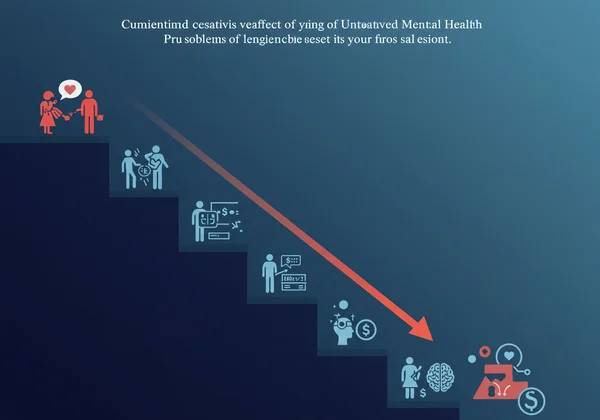
Risk 1: Escalating Mood Episodes
As mentioned, the severity of episodes often increases. Manic episodes might evolve from heightened productivity to dangerous risk-taking, psychosis, or hospitalization. Depressive states can deepen into severe, debilitating depression that makes it impossible to work or even get out of bed. Early intervention can help stabilize these moods before they gain dangerous momentum, making them more manageable in the long term.
Risk 2: Development of Co-Occurring Disorders
Untreated bipolar disorder rarely exists in a vacuum. The immense stress and chaos it creates often pave the way for other serious mental health challenges, known as co-occurring disorders.
- Anxiety Disorders: The constant unpredictability of mood shifts can fuel a state of persistent worry, leading to generalized anxiety disorder, panic attacks, or social anxiety.
- Substance Use Disorders: To cope with the intense emotional pain or to self-medicate symptoms, many individuals turn to alcohol or drugs. This leads to a dual diagnosis that dramatically complicates treatment and recovery.
Risk 3: Severe Physical Health Consequences
The mind-body connection is powerful. The chronic stress, hormonal fluctuations, and irregular sleep patterns associated with untreated mood episodes take a significant toll on physical health. This increases the risk of serious and life-shortening conditions, including:
- Cardiovascular disease
- Type 2 Diabetes
- Obesity
- Migraines
The sheer exhaustion from this constant internal battle can also weaken the immune system, leaving you more vulnerable to illness.
Risk 4: Heightened Risk of Suicide and Self-Harm
This is one of the most serious dangers of untreated bipolar disorder. The profound hopelessness and emotional pain of depressive episodes, combined with the impulsivity and agitation of manic or mixed states, create a high-risk combination for self-harm and suicide. It can be incredibly isolating to feel this way, but it's vital to know that these feelings are symptoms of the illness. Professional treatment is proven to significantly reduce this risk and provide a path toward hope.
How Untreated Bipolar Disorder Disrupts Your Life
The ripple effects of untreated bipolar disorder touch every aspect of a person's life. The instability caused by mood episodes can strain the very foundations of your social and professional worlds, making it difficult to build and maintain the life you want.
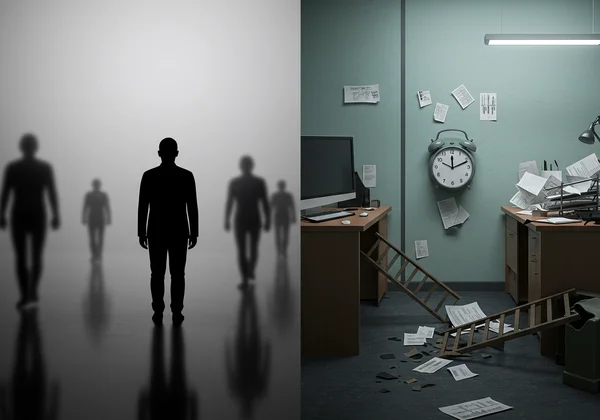
Impact on Relationships and Social Isolation
Relationships are built on trust and consistency—qualities that are challenged by untreated bipolar disorder. During mania, irritability or impulsive behavior can push loved ones away. During depression, withdrawal and hopelessness create emotional distance. It's understandable why this happens. For loved ones, the shifts can be confusing and painful, while for you, the experience can lead to a profound sense of isolation.
Impact on Career and Financial Stability
Maintaining a career requires focus, reliability, and consistent performance. The symptoms of untreated bipolar disorder can make this nearly impossible. The high energy of hypomania might initially fuel productivity, but it often leads to burnout, unfinished projects, and conflict. Depressive episodes can result in missed work and poor performance, leading to job loss. This instability, combined with impulsive spending and poor financial decisions during mania, frequently results in significant debt and distress.
Impact on Overall Quality of Life
Ultimately, the combined weight of these challenges leads to a severely diminished quality of life. The constant effort required to simply navigate mood swings is exhausting, leaving little energy for hobbies, passions, and personal growth. The cycle of instability can erode self-esteem and hope, trapping you in a state of survival rather than allowing you to thrive.
Taking Control: The Power of Early Diagnosis and Treatment
Reading about these risks can be daunting, but the purpose is to highlight a message of hope: the vast majority of these negative outcomes can be mitigated or avoided with early and consistent treatment. The journey to stability is possible, and it starts with acknowledging the problem.
Taking the First Step: Self-Screening
For many, the biggest hurdle is uncertainty. You may ask yourself, "Am I bipolar or just emotional?" This is where a confidential and accessible screening tool becomes invaluable. An online bipolar screening provides a private space to explore your symptoms without judgment. It can help validate your feelings and turn vague worries into clear data points you can discuss with a professional. This is not a diagnosis, but it is a powerful first step.

Seeking Professional Guidance
After using a bipolar disorder self test, the next crucial step is to discuss the results with a healthcare professional. A screening identifies potential signs, but only a qualified doctor or therapist can conduct a comprehensive assessment to provide an accurate diagnosis. This professional guidance is the cornerstone of an effective treatment plan that can empower you to manage your symptoms and build a stable, fulfilling life.
Find Out Where You Stand
Feeling lost in your mood swings? You are not alone. Our free, confidential online screening can provide the clarity you need to take the next step. It's based on the Mood Disorder Questionnaire (MDQ), a tool trusted by clinicians, and can give you a better understanding of your symptoms in just a few minutes.
Don't Wait: Empower Your Journey to Stability
The risks of untreated bipolar disorder are serious, but they are not your destiny. You have the power to change your trajectory. By choosing to face your concerns head-on, you are choosing a future defined by health, stability, and hope. Don't let uncertainty hold you back any longer.
**Take the First Step: Get Your Confidential Results Now to gain the clarity you deserve. It's fast, completely private, and it could be the most important step you take on your journey to well-being.
Frequently Asked Questions About Untreated Bipolar Disorder
What are the worst-case scenarios for untreated bipolar disorder?
The most severe risks include a significantly increased likelihood of suicide, complete financial ruin due to manic spending, irreversible damage to personal and professional relationships, and the development of severe co-occurring substance use disorders. Over time, it can also lead to serious physical health deterioration and a higher risk of cognitive impairment.
How can I determine if my mood swings might be bipolar disorder?
While a professional diagnosis is necessary, you can start by identifying patterns. Key signs include distinct periods of elevated energy and mood (mania or hypomania) that are a noticeable change from your usual self, alternating with periods of depression. A great first step is to use a confidential bipolar screening questionnaire to help identify potential indicators.
Is there a reliable online test for bipolar disorder?
Online tools should be viewed as screeners, not diagnostic tests. A reliable screening tool, like the one available at BipolarDisorderTest.org, is based on established psychiatric questionnaires (like the MDQ). It provides a preliminary assessment of your risk based on your reported symptoms, giving you valuable information to discuss with a doctor.
Can untreated bipolar disorder turn into psychosis?
Yes. Severe manic or depressive episodes can include psychotic features, such as hallucinations (seeing or hearing things that aren't there) or delusions (firmly held false beliefs). Leaving bipolar disorder untreated increases the frequency and severity of mood episodes, making the experience of psychosis more likely over time. Early treatment is crucial for managing and preventing these frightening symptoms.
What is commonly mistaken for bipolar disorder that could delay treatment?
Bipolar disorder is frequently misdiagnosed as major depressive disorder because people are more likely to seek help during depressive episodes and may not recognize hypomanic periods as problematic. Other conditions with overlapping symptoms include borderline personality disorder (BPD) and ADHD, which is why a thorough professional evaluation is essential for an accurate diagnosis.
Disclaimer: This article is for informational purposes only and does not constitute medical advice. The content is not intended to be a substitute for professional medical advice, diagnosis, or treatment. Always seek the advice of your physician or other qualified health provider with any questions you may have regarding a medical condition. The screening tool on BipolarDisorderTest.org is a self-assessment tool and not a diagnostic instrument.