Which Hormone Causes Bipolar Disorder? What Science Really Says
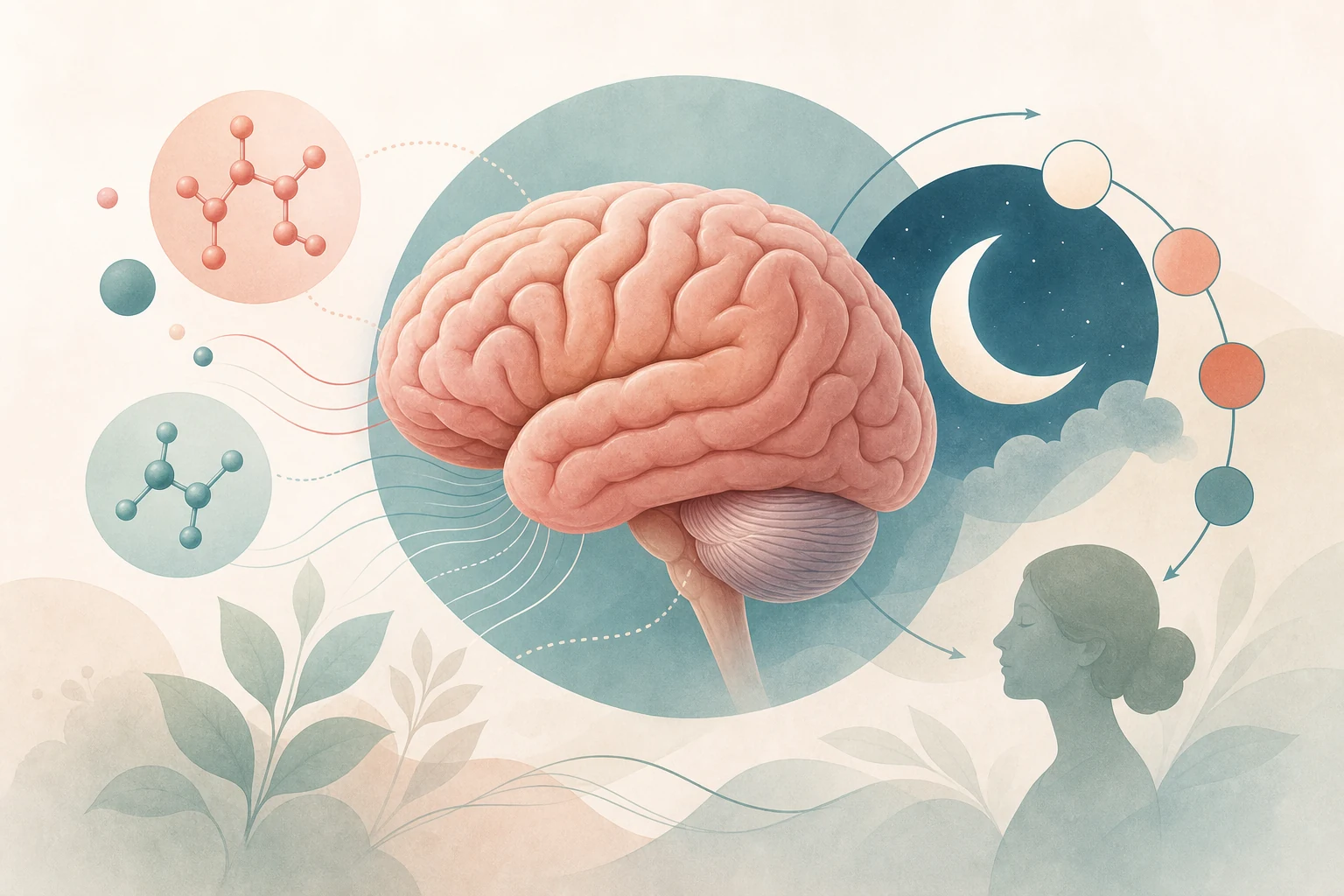
If your mood changes seem tied to your period, pregnancy, postpartum changes, perimenopause, stress, or sleep loss, it is natural to ask: which hormone causes bipolar disorder? The safest short answer is that no single hormone is known to cause bipolar disorder on its own. Bipolar disorder is better understood as a complex condition involving genetics, brain circuits, neurotransmitters, sleep-wake rhythms, stress biology, and life experiences. Hormones can still matter, especially when shifts in estrogen, progesterone, cortisol, thyroid hormones, or reproductive timing appear to line up with mood episodes. A private, educational tool such as a bipolar mood-pattern check can help you organize what you notice before talking with a qualified mental health professional.
No Single Hormone Is the Cause
The phrase "which hormone causes bipolar disorder" sounds like there should be one direct answer, but current medical understanding does not support a single-hormone explanation. Bipolar disorder is not simply "too much estrogen," "low progesterone," or "high cortisol." It is also not only a chemical imbalance in the simplest sense.
A more accurate way to think about it is vulnerability plus triggers. Some people may have inherited or biological vulnerability in systems that regulate mood, energy, sleep, reward, and stress. In that context, hormonal changes may influence the timing or intensity of symptoms. For example, some people notice mood worsening around menstrual cycle changes, after childbirth, during perimenopause, or during major stress. That does not mean the hormone shift created bipolar disorder by itself. It may mean the shift affected a brain and body system that was already sensitive.
This distinction matters because it keeps the focus practical. Instead of trying to identify one "bad" hormone, it is usually more useful to track patterns, protect sleep, review medications and substances with a clinician, and discuss reproductive or endocrine changes when they clearly relate to mood.
Bipolar Disorder and Female Hormones
Female hormone changes can be especially relevant because estrogen and progesterone fluctuate across the menstrual cycle and shift more dramatically during pregnancy, postpartum recovery, perimenopause, and menopause. Estrogen interacts with several brain systems involved in mood, sleep, cognition, and stress response. Progesterone and its metabolites may also affect calming pathways in the brain.
For some people with bipolar disorder, these hormone transitions seem to act like amplifiers. Mood symptoms may become more noticeable in the premenstrual window, after giving birth, while hormones are changing in perimenopause, or when sleep is disrupted during reproductive transitions. Some people also search for "hormonal bipolar menstrual psychosis" because they have seen severe symptoms appear in a cyclical pattern. That kind of pattern deserves careful professional evaluation, especially if psychosis, unsafe behavior, or major sleep loss is present.
It is still important to avoid overgeneralizing. Many people with bipolar disorder do not have obvious cycle-related changes. Others have symptoms that look hormonal but are actually related to sleep debt, thyroid problems, medication changes, stress, substance use, or another health condition. If you notice a repeating pattern, bring dates, sleep notes, cycle timing, medication changes, and symptom examples to a clinician rather than trying to solve it with supplements or hormones on your own.
What Causes Bipolar Disorder In The Brain?
Bipolar disorder involves mood episodes that affect energy, activity, sleep, thinking speed, confidence, impulsivity, sadness, motivation, and sometimes perception of reality. In the brain, researchers study several overlapping systems rather than one single switch.
One area is brain circuitry. Mood regulation involves communication between regions that help process emotion, reward, threat, decision-making, and self-control. If those circuits become more reactive or less regulated, a person may be more vulnerable to shifts in mood and energy.
Another area is neurotransmission. Neurotransmitters are chemical messengers that help nerve cells communicate. People often ask what neurotransmitters are involved in bipolar disorder. The most discussed include dopamine, serotonin, norepinephrine, glutamate, and GABA. Dopamine is linked with reward, motivation, and activation. Serotonin is involved in mood, sleep, and impulse regulation. Norepinephrine is tied to alertness and stress response. Glutamate and GABA help balance excitation and calming in the brain.
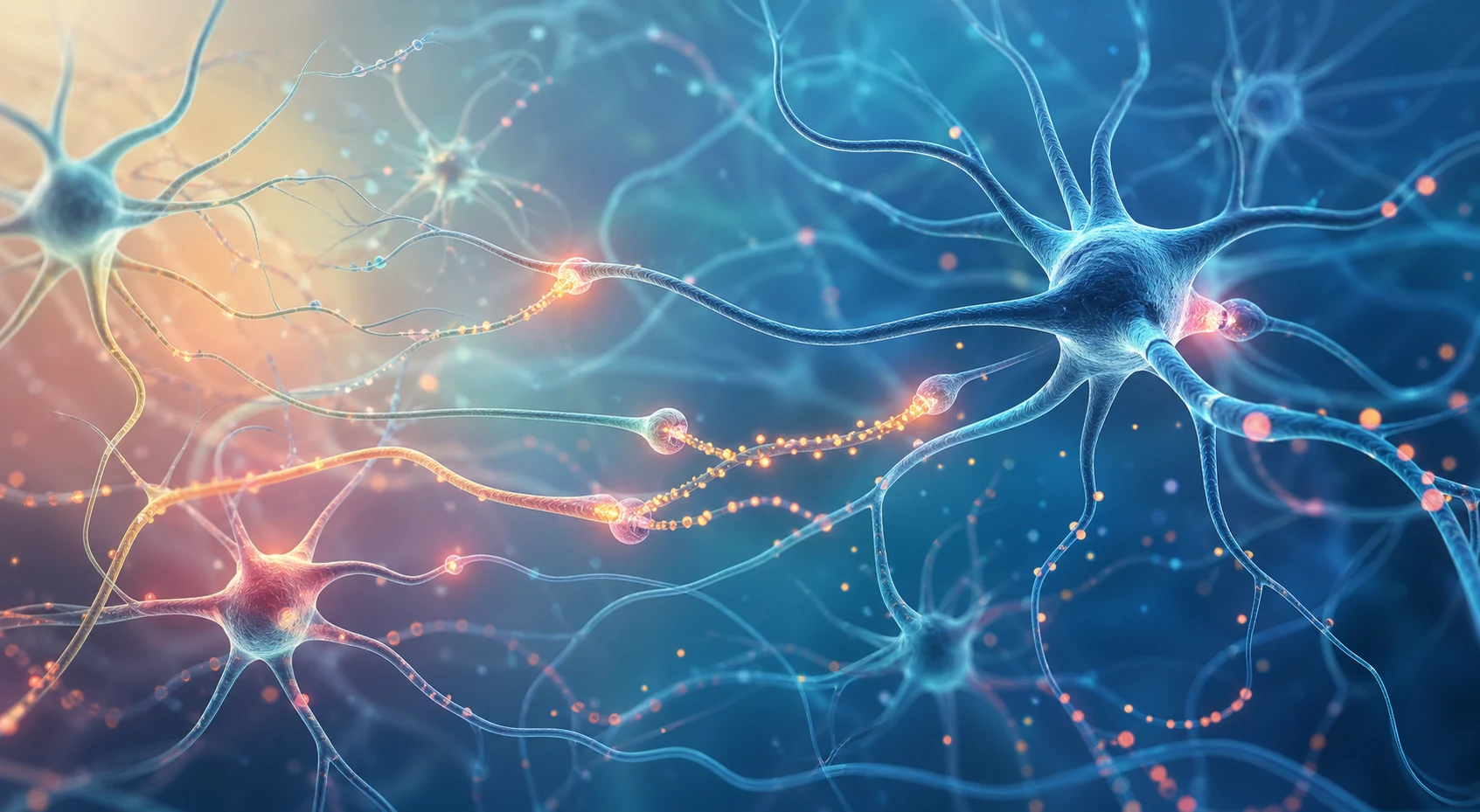
These chemicals do not work in isolation. Hormones, inflammation, sleep timing, circadian rhythm, genetics, and stress biology can all influence how these systems behave. That is why a single lab test usually cannot explain bipolar disorder. The pattern is clinical, meaning it is understood through symptoms over time, life history, family history, functioning, and careful professional assessment.
Is Bipolar Disorder Neurological Or Psychological?
Bipolar disorder is both biological and psychological, and the two sides are not separate boxes. It is neurological in the sense that brain circuits, neurotransmitters, sleep-wake rhythms, genetics, and body systems are involved. It is psychological in the sense that thoughts, behavior, relationships, stress, trauma history, routines, coping skills, and meaning-making can shape how episodes unfold and how a person recovers.
This is why effective care often looks multi-layered. Medication may be part of care for many people, but so may psychotherapy, sleep stabilization, substance-use support, stress planning, family education, and mood tracking. None of those layers cancels out the others. Biology affects experience, and experience affects biology.
For readers who are exploring whether their own highs and lows fit a bipolar pattern, a free mood-pattern screening tool can be a first step for reflection. It cannot replace a professional evaluation, but it can help you put scattered experiences into a clearer sequence.
How A Person With Bipolar Thinks During Mood Episodes
People searching "how a person with bipolar thinks" may be trying to understand a loved one or make sense of their own changes. The answer depends on the mood state.
During mania or hypomania, thoughts may feel faster, more connected, more confident, or more urgent than usual. A person may jump between ideas, take on big plans, spend more, speak more quickly, sleep less, feel unusually powerful, or become more irritable when others slow them down. In the moment, these thoughts can feel convincing and energizing, which is one reason outside feedback may be hard to accept.
During depression, thinking may move in the opposite direction. A person may feel slowed down, guilty, hopeless, foggy, indecisive, or unable to imagine improvement. Everyday tasks can feel heavier than they look from the outside. Mixed episodes can be especially confusing because depressive thoughts may appear alongside agitation, restlessness, or high energy.
These thinking patterns are not character flaws. They are part of mood-state changes that can affect judgment, attention, risk perception, and self-view. If you are supporting someone, focus on specific behaviors and safety rather than arguing over whether their thoughts are "real." If you are tracking your own patterns, write down sleep, energy, spending, irritability, confidence, and concentration changes while they are happening.
What Causes Bipolar Disorder To Get Worse?
The same person can have very different symptom intensity across different seasons of life. Common worsening factors include sleep disruption, high stress, alcohol or drug use, stopping or changing medication without medical guidance, major life changes, inconsistent routines, trauma reminders, postpartum sleep loss, and untreated physical health problems such as thyroid disease.
Hormonal changes can belong on this list for some people, but they are usually one part of a larger pattern. For example, perimenopause may involve hormone fluctuation, but it may also bring night sweats, insomnia, anxiety, work stress, caregiving strain, and medication changes. Postpartum risk may involve hormone shifts, but also sleep deprivation, pain, feeding demands, identity stress, and reduced support.
The practical question is not only "which hormone changed?" but "what changed in the whole system?" A useful mood log might include:
- Sleep duration and sleep timing
- Menstrual cycle, pregnancy, postpartum, or menopause-related timing
- Medication or supplement changes
- Alcohol, cannabis, stimulants, or other substance use
- Stress level and major events
- Energy, irritability, spending, speech, confidence, and risk-taking
- Depressive symptoms such as low motivation, isolation, or hopelessness

This kind of tracking can help a clinician see whether symptoms are episodic, cyclical, stress-linked, substance-linked, sleep-linked, or possibly related to another medical condition.
What To Do If Hormones Seem Linked To Your Mood Episodes
If you suspect hormones are part of your mood pattern, start with observation rather than self-treatment. Track symptoms for at least a few cycles or across a clear transition, if that is possible and safe. Note whether mood changes appear before bleeding, around ovulation, during missed periods, after childbirth, during breastfeeding changes, while starting or stopping hormonal contraception, or during perimenopause symptoms such as hot flashes and sleep disruption.
Next, bring the pattern to the right professional. A primary care clinician may check thyroid or other medical factors. A psychiatrist or qualified mental health professional can review mood episode history and medications. An OB-GYN or menopause-informed clinician may help if reproductive hormones seem closely involved. If symptoms include hallucinations, delusional beliefs, dangerous impulsivity, very little sleep with high energy, or thoughts of self-harm, seek urgent support.
You can also use an educational bipolar self-reflection test to organize your mood history before that conversation. Treat the result as a discussion aid, not a final answer. The goal is to arrive at care that fits the full picture: brain, body, sleep, stress, hormones, relationships, and personal history.
FAQ
Can estrogen trigger bipolar?
Estrogen does not appear to be a stand-alone cause of bipolar disorder. However, estrogen changes may influence mood symptoms in some people who are already vulnerable to bipolar mood episodes. This may be especially relevant around menstrual cycles, postpartum changes, perimenopause, or menopause. If you notice a clear timing pattern, track it and discuss it with a qualified clinician.
What neurotransmitters are involved in bipolar disorder?
Commonly discussed neurotransmitters include dopamine, serotonin, norepinephrine, glutamate, and GABA. These chemical messengers help regulate reward, sleep, alertness, emotion, activation, and calming. Bipolar disorder is not explained by one neurotransmitter alone. Researchers look at broader networks involving brain circuits, genetics, circadian rhythm, stress biology, and hormones.
What causes bipolar disorder?
The exact cause is not fully known. Current understanding points to a mix of genetics, brain structure and function, neurotransmitter systems, sleep-wake regulation, stress, environment, and life events. Hormones may affect symptoms or timing for some people, but they are not the whole cause.
What causes bipolar disorder to get worse?
Common factors include sleep loss, high stress, alcohol or drug use, sudden medication changes without medical guidance, major life transitions, trauma reminders, postpartum disruption, and some physical health problems. Hormonal transitions may also worsen symptoms in some people, especially when they disrupt sleep or stress regulation.
How does a person with bipolar think?
Thinking can change with mood state. During mania or hypomania, thoughts may feel fast, urgent, confident, creative, or irritable. During depression, thoughts may feel slow, hopeless, guilty, or foggy. Mixed states may combine agitation with depressive thoughts. These shifts are symptoms to understand, not personal failures.
Is bipolar disorder neurological or psychological?
It is both. Bipolar disorder involves brain and body systems, including circuits, neurotransmitters, genetics, sleep rhythms, and stress biology. It also affects thoughts, behavior, relationships, coping, and daily routines. Care often works best when both biological and psychological factors are considered.
What vitamins should bipolar people avoid?
There is no universal list that applies to everyone. The bigger safety issue is that supplements can interact with medications or affect sleep, energy, or anxiety. Stimulant-like supplements, high-dose products, and anything used to change hormones should be discussed with a clinician or pharmacist first, especially if you take mood stabilizers, antipsychotics, antidepressants, or thyroid medication.
Is bipolar disorder curable?
Bipolar disorder is usually described as a long-term condition that can often be managed with appropriate care. Many people have stable periods and meaningful lives with the right support, treatment plan, routines, and early warning-sign strategies. If symptoms are affecting your safety, sleep, relationships, work, or daily functioning, professional help is the right next step.